
Mohammed V Square (Casablanca) — this square, now the municipal administrative center, consists of many buildings from the 20s, most of them with Hispanic-Muslim architecture and Art Deco influences. You should look carefully at its elegant arcades and white façades, adorned with gold colored stone. One of its most striking buildings is the Prefecture (Wilaya), […]

Merenid Tombs (outskirts of Fez) — looming above the northern walls of the Fez Medina are the skeletal remains of the Merenid Tombs. Built in the 14th century, the tombs were once the sumptuous resting places of the Merenids’ finest, but after years at the mercy of conquests and looters, they lack most of their […]
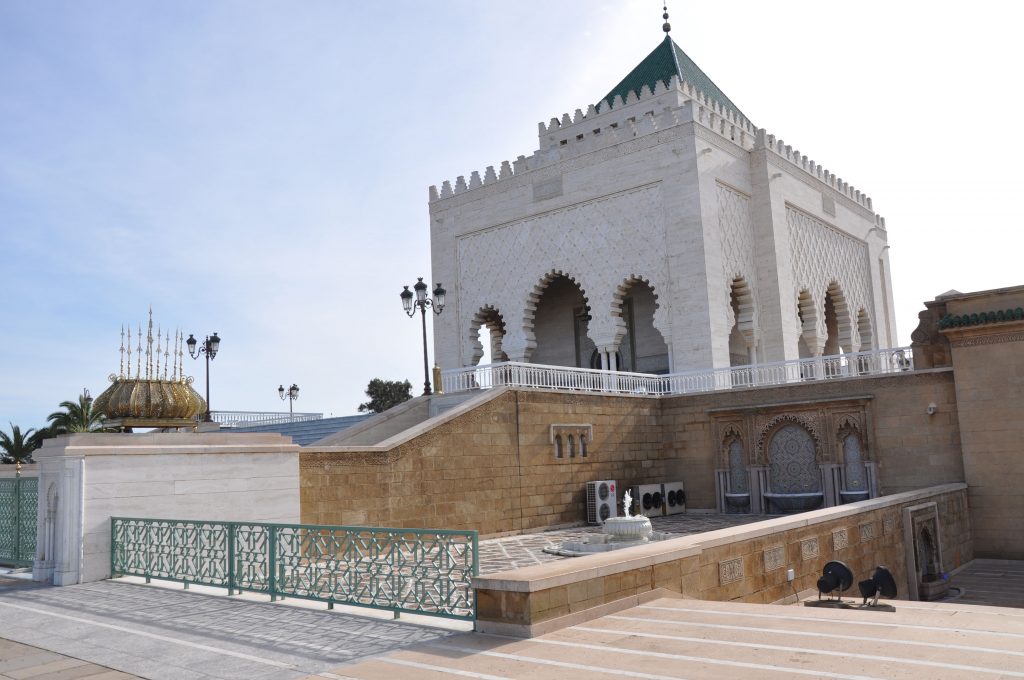
Mausoleum of Mohammed V (Boulevard Mohamed Lyazidi, Rabat) – this is one of the country’s most important shrines. Here you’ll see members of the Royal Guard standing proudly at the final resting place of Morocco’s great king. Interestingly, the mausoleum was designed by a Vietnamese architect and inaugurated 6 years after the king’s death. The […]
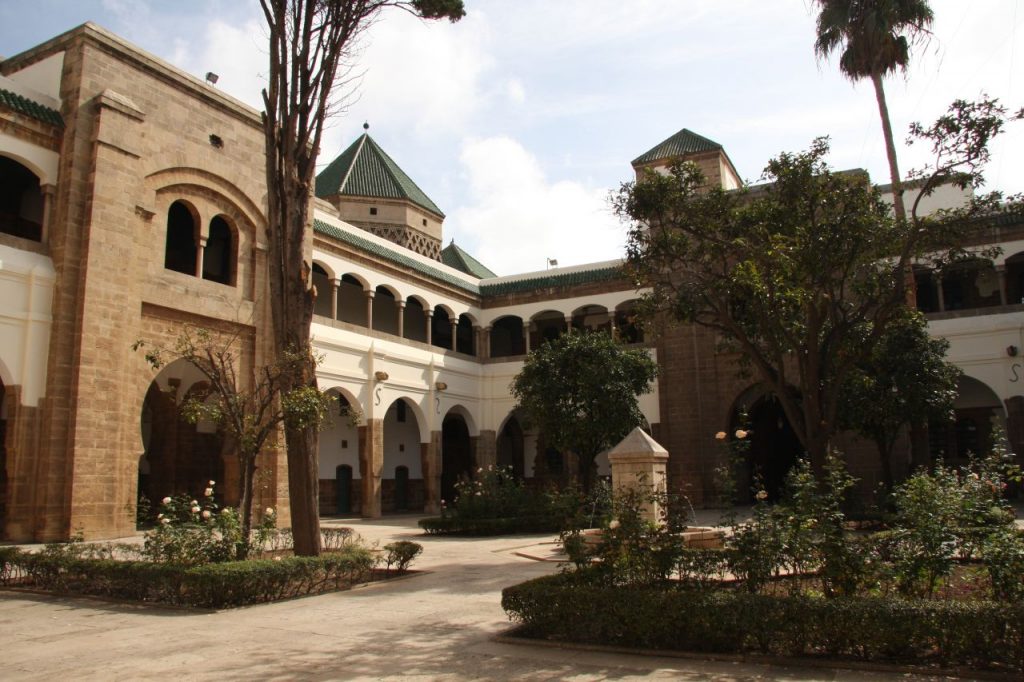
Mahkama du Pacha (Quartier des Habbous, Casablanca 20000) – this is a parliamentary building that not only houses the court of justice but also serves as a reception area for state occasions. Those fortunate enough to be allowed entry will discover a wonderful variety of rich furnishings and finishes. The ceiling is made of carved […]
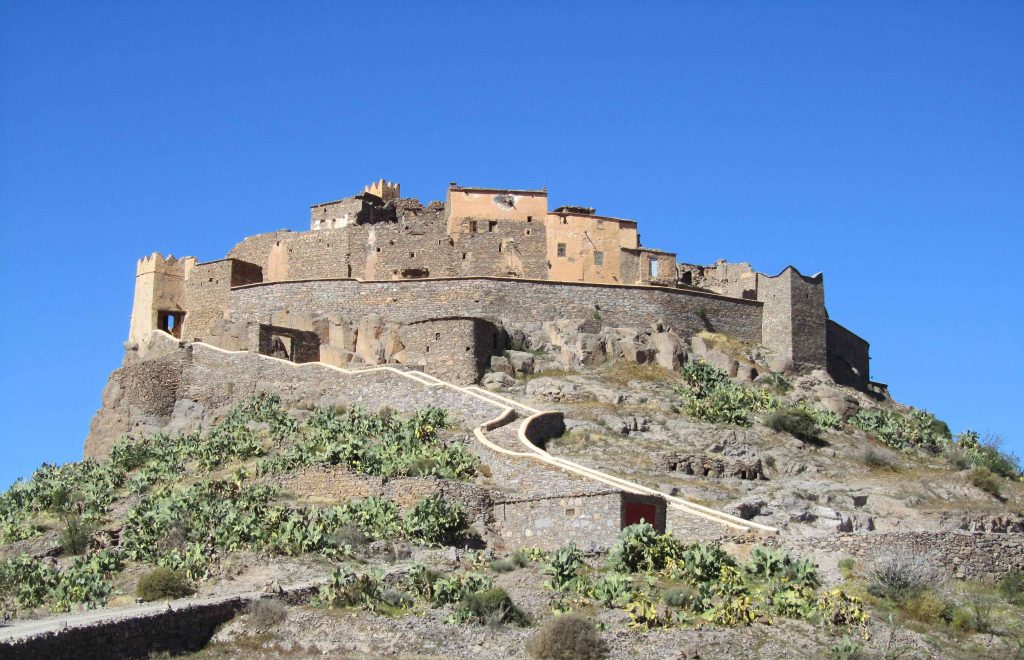
Kasbah (Agadir) — perched atop a steep hill in Agadir’s oldest district is the Kasbah, a set of fortifications built in 1541. In spite of its age, the Kasbah was one of the few buildings not to be leveled by the earthquake of 1960 (which destroyed most of the city of Agadir at that time). […]
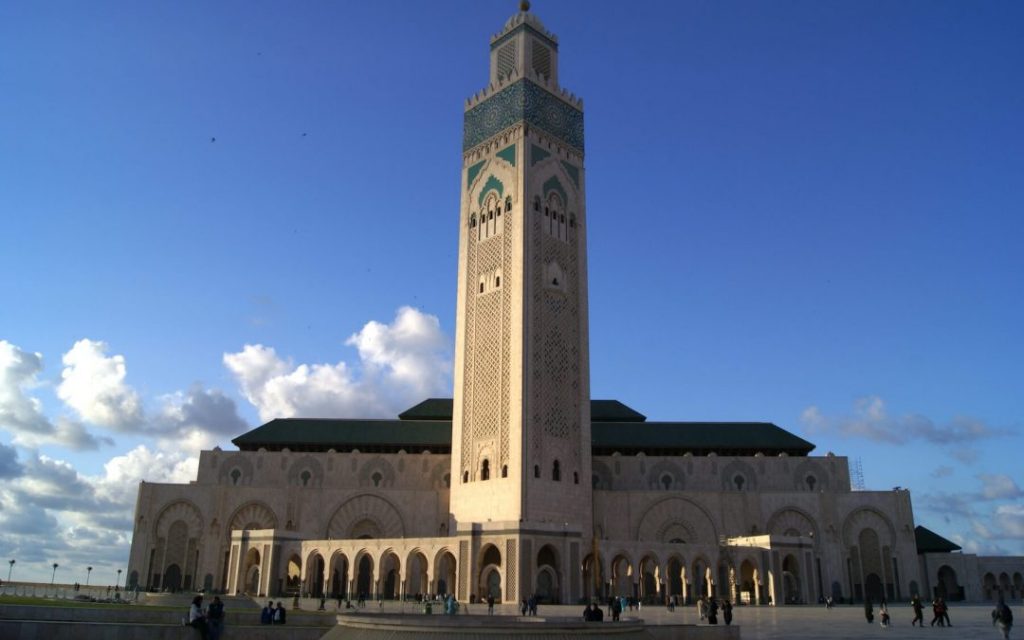
Hassan II Mosque (Sour Jdid, Casablanca) – this is the second-largest mosque in the world (completed in 1993). Up to 25,000 worshippers can be accommodated inside the mosque, where they pray on a glass floor. This special feature of the mosque allows worshippers to kneel and pray over the sea. A further 80,000 people can […]
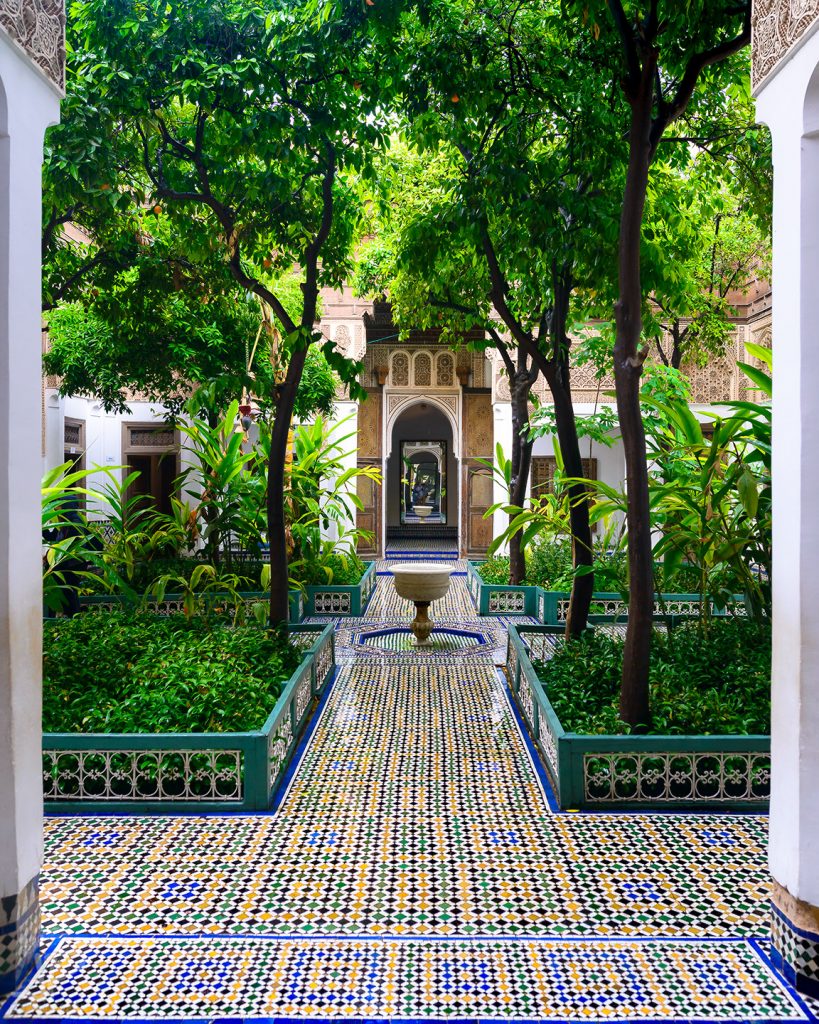
El Badi Palace (Bab Berrima, off Place des Ferblantiers Marrakech) — This once magnificent palace, whose name means the ‘incomparable’, was built in 1578 by the Midas of Marrakech, Saadian sultan Ahmed el-Mansour. Its 360 rooms were once sumptuously decorated in marble, gold, onyx, ivory, cedar wood and semi-precious stones, surrounding a vast central courtyard […]

La Tour des Hollandais (Royal Road, Old Grand Port) — a few meters from the Frederik Hendrik Museum lies the Tour Des Hollandais (Dutchmen’s Tower), an old watch tower. – It is a vestige of the French colonial period and was used as a vantage point to observe the bay of Grand Port for any […]

L’Aventure du Sucre (Beau Plan, Pamplemousses) – this is a museum dedicated to the history of sugar (the one-time engine of the island’s economy). The museum teaches visitors everything they need to know about the history of sugar and how it is intrinsically linked to that of Mauritius. The story told by L’Aventure du Sucre […]

Government House (Intendance Street, Port Louis) – this is a colonial building that was constructed in 1738 by the former French Governor Mahé de Labourdonnais. This is one of the island’s oldest buildings, and there’s even a statue of Queen Victoria toward its entrance – an enduring reminder of Mauritius’ subsequent period of British rule.